Por Rocío Prieto y Sebastián Arnica
(Article translated to English below)
El Movimiento para el Desarrollo Liderado por las Comunidades (MDLC) es una red de más de 3000 organizaciones comunitarias de todo el mundo. En julio del 2025, MDLC América Latina y el Caribe abrió su programa de voluntariado y en este artículo nos planteamos.. ¿Qué significa ser un voluntario? Según la RAE (s.f.), un voluntario es aquella “persona que se presta a hacer algún trabajo o servicio por propia voluntad sin esperar a que le toque su vez”. Sin embargo, para nosotros, los voluntarios del MDLC, esto significó mucho más que eso. Significó una participación activa con las organizaciones, un contacto con el trabajo real de muchas de ellas, a nivel de base, y el intercambio cultural con varios países de la región. Esto incide en nuestra forma de entender la realidad política latinoamericana al integrarnos, en una red que fortalece el intercambio regional y global.
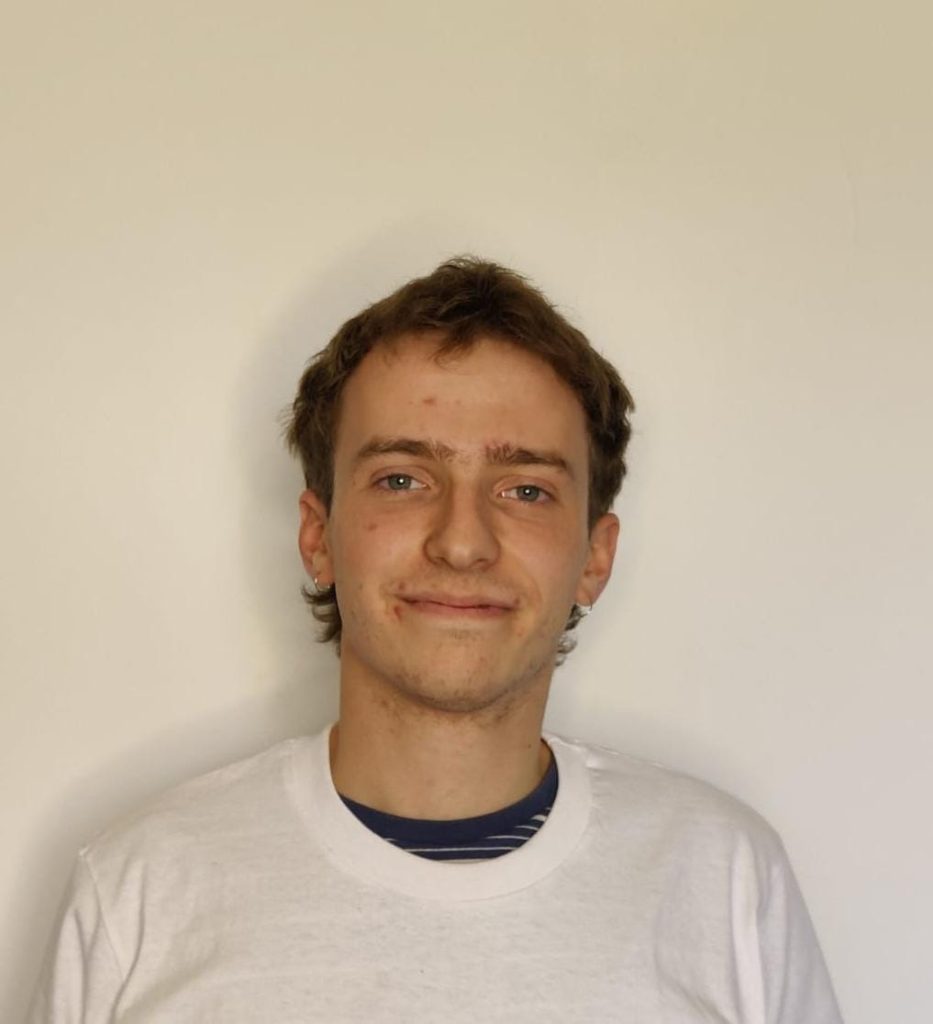
Nosotros somos Sebas y Rocío, dos estudiantes de la Universidad Nacional de San Martín (UNSAM) que, gracias a haber sido el primer practicante y la primera voluntaria del MDLC América Latina y el Caribe, tuvimos la oportunidad de integrar el equipo y participar de su labor diaria, poniendo en práctica los conocimientos adquiridos a lo largo de la carrera, y sobre lo cual deseamos compartir algunas reflexiones.
Experiencia Rocio
Mi nombre es Rocío y soy estudiante de la Licenciatura en Relaciones Internacionales. Comencé mi voluntariado en julio 2025, motivada por el interés en involucrarme en el funcionamiento de un movimiento internacional y complementar mi formación académica con una instancia práctica. Mi predilección por el MDLC se vincula especialmente con su enfoque de desarrollo liderado por las comunidades, una perspectiva que no había identificado en otras iniciativas y que representó un factor central en mi decisión de postularme.
Una vez incorporada al equipo, participé en diversas tareas de apoyo, como el acompañamiento de las actividades diarias del movimiento, la asistencia técnica en videoconferencias, la traducción de documentos y la búsqueda de información para la actualización de la base de datos. Estas actividades me permitieron profundizar mi conocimiento sobre el funcionamiento de las redes internacionales y aprender específicamente las dinámicas internas de una red de organizaciones y de los tiempos y formas de trabajo colaborativo.
A lo largo del voluntariado, y particularmente a partir de la participación en numerosas reuniones, pude ser partícipe de enriquecedores debates relacionados a la situación política y económica de los países miembros, al mismo tiempo que, conectar con las problemáticas y potencialidades de las juventudes de otras regiones. Durante este proceso, también coincidí en encuentros con otros organismos, como Local 2030, cuya labor se vincula directamente con mi área de estudio y me permitió observar los primeros acercamientos de una cooperación internacional de esta magnitud, así como la burocracia asociada a dicho proceso.
En este sentido, el voluntariado me permitió aplicar herramientas adquiridas a lo largo de la carrera y, al mismo tiempo, desarrollar nuevas habilidades. Estas se vinculan especialmente con una mayor comprensión del rol que desempeñan las organizaciones de la sociedad civil en el sistema internacional, su incidencia en la agenda global y el abordaje de problemáticas sociales desde una perspectiva territorial y colaborativa.
Experiencia Sebastián
Mi nombre es Sebas y soy estudiante de Antropología Social y Cultural en la Universidad Nacional de San Martín. Desde septiembre de 2025 estoy realizando la práctica profesional de la carrera dentro de la organización. Me interesó esta práctica porque me daba la posibilidad de salir un poco de lo puramente teórico y conocer cómo trabajan distintas organizaciones sociales en la práctica.
A lo largo de la experiencia estuve en contacto con organizaciones de diferentes lugares de América Latina que trabajan sobre problemáticas sociales muy concretas. Una de ellas fue la Fundación Víctimas Vulnerables Mujeres Afros Independientes (FUNVIMUFROIN), dirigida por Paola Quiñones, con quienes pude conocer el proyecto de la Escuela Climática que desarrollan en Cali. Ese intercambio me permitió entender mejor las realidades con las que trabajan y la importancia que tiene el trabajo comunitario en contextos atravesados por desigualdades.
Algo que también fue parte de la experiencia, y que para mí resultó un desafío, es que el trabajo se realizó enteramente de forma virtual. Personalmente no es una modalidad que me resulte cómoda, ya que siento que el trabajo en territorio es clave para el trabajo social y para poder comprender las realidades de una manera más cercana. Aun así, el trabajo online me permitió escuchar otras experiencias, conocer proyectos y empezar a pensar cómo adaptar las herramientas de la carrera a distintos formatos.
De esta práctica me llevo una mirada más concreta sobre las realidades sociales de la región y sobre el rol que pueden tener las organizaciones sociales. También me ayudó a reafirmar la importancia de llevar los saberes que se construyen en la universidad a estos espacios y a pensar mi futuro profesional más vinculado al trabajo con comunidades y en territorio.
Reflexiones Finales
En suma, el trabajo dentro del voluntariado nos resultó extremadamente gratificante, ya que no solo nos permitió conectar con la realidad de las organizaciones, sino también experimentar, en primera persona, el campo profesional de nuestras carreras. Ser voluntario implica mucho más que cumplir tareas administrativas: supone tomar acción frente a las injusticias sociales que ocurren en el mundo y comprender que solo a partir de la colaboración entre los distintos actores de la sociedad —organizaciones de base, movimientos sociales y universidades— es posible impulsar un cambio real.
Esta sinergia de fuerzas permite que las universidades no sean un ente aislado, sino que cumplan un rol central en la transformación de la realidad social. En este sentido, la articulación del Movimiento con los centros de estudio permite nutrir el conocimiento académico con los saberes construidos en el territorio; estar presentes en él implica formar profesionales con compromiso social, capaces de comprender problemáticas reales y complejas. Conjuntamente, la participación universitaria aporta herramientas técnicas que fortalecen el trabajo comunitario.
De igual manera, el movimiento nos permitió reconocer la importancia del activismo y la tarea fundamental que las organizaciones comunitarias desarrollan en los territorios, entendiendo que el conocimiento necesario para generar ese cambio reside en los propios saberes de las comunidades. En este punto, el Movimiento toma un rol clave en la construcción de respuestas colectivas frente a las problemáticas globales. Siendo una red de organizaciones comunitarias, le es posible organizar acciones colectivas, promoviendo la articulación, la participación comunitaria y el fortalecimiento de los entramados sociales.
Como voluntarios, entendemos que seguir apostando a que las juventudes de las universidades participen en este tipo de organizaciones es fundamental para su desarrollo profesional, la puesta en práctica del conocimiento y el camino para transformar la realidad. Estas experiencias forman sujetos críticos y comprometidos, fortalecen la militancia social y política, y permiten que el saber académico se ponga al servicio de la comunidad y de la construcción colectiva de una sociedad más justa e igualitaria.
English Translation:
Volunteers in Action!
By Rocío Prieto and Sebastián Arnica
The Movement for Community-Led Development (MCLD) is a network of more than 3,000 community organizations from around the world. In July 2025, MDLC Latin America and the Caribbean opened its volunteer program, and in this article, we ask ourselves: What does it mean to be a volunteer? According to the Real Academy of Spanish (n.d.), a volunteer is “a person who offers to do some work or service of their own free will without waiting for their turn.” However, for us as MCLD volunteers, it meant much more than that. It meant active participation with the organization, contact with the real work that many of the members do at the grassroots level, and cultural exchange with various countries in the region. This experience has an impact on our understanding of the political reality in Latin America as we become part of a network that strengthens regional and global exchange.
We are Sebas and Rocío, two students from the National University of San Martín (UNSAM) who, thanks to being the Movement’s first intern and first volunteer in Latin America and the Caribbean region, had the opportunity to join the team and participate in its daily work, putting into practice the knowledge acquired throughout our studies, and about which we would like to share some reflections.
Rocío’s Experience
My name is Rocío and I am a student of International Relations. I began volunteering with MCLD in July 2025, motivated by my interest in getting involved in the workings of an international movement and complementing my academic training with practical experience. I chose MCLD because of its community-led approach, a perspective that I had not identified in other initiatives and which was a central factor in my decision to apply.
Once I joined the team, I participated in various support tasks, such as accompanying the Movement’s daily activities, providing technical assistance in videoconferences, translating documents, and searching for information to update the database. These activities allowed me to deepen my knowledge of how international networks operate and to learn specifically about the internal dynamics of a network of organizations and the timing and forms of collaborative work.
Throughout my volunteer work, and particularly through my participation in numerous meetings, I was able to participate in enriching debates related to the political and economic situation of member countries, while also connecting with the issues and potential of young people in other regions. During this process, I also attended meetings with other organizations, such as Local2030, whose work is directly related to my field of study and allowed me to observe the first steps of international cooperation on this scale, as well as the bureaucracy associated with this process.
Volunteering allowed me to apply the tools I had acquired throughout my studies and, at the same time, develop new skills. These are particularly related to a greater understanding of the role that civil society organizations play in the international system, their impact on the global agenda, and the approach to social issues from a territorial and collaborative perspective.
Sebastián’s Experience
My name is Sebas and I am a student of Social and Cultural Anthropology at the National University of San Martín. Since September 2025, I have been doing my professional internship within MCLD. I was interested in this internship because it gave me the opportunity to move away from purely theoretical work and learn how different social organizations work in practice.
Throughout the experience, I was in contact with organizations from different parts of Latin America that work on very specific social issues. One of them was the Fundación Víctimas Vulnerables Mujeres Afros Independientes (FUNVIMUFROIN), led by Paola Quiñones, with whom I was able to learn about the Climate School project they are developing in Cali. This exchange allowed me to better understand the realities of their work and the importance of community work in contexts marked by inequality.
I was challenged because the work was done entirely online. Personally, this is not a format I am comfortable with, as I feel that working in and with communities is key to social work and to understanding realities more intimately. Even so, working online allowed me to hear about other experiences, learn about projects, and begin to think about how to adapt the tools I learned in my degree program to different formats.
This internship gave me a more concrete view of the social realities of the region and the role that social organizations can play. It also helped me reaffirm the importance of bringing the knowledge I have acquired at university to these spaces and to think about my professional future in terms of working more closely with communities and in the field.
Final Reflections
In short, our volunteer work was extremely rewarding, as it not only allowed us to connect with the reality of the organizations, but also to experience first-hand the professional field of our careers. Volunteering involves much more than performing administrative tasks: it means taking action against social injustices that occur in the world and understanding that only through collaboration between different actors in society—grassroots organizations, social movements, and universities—is it possible to bring about real change.
This synergy of forces allows universities to be more than isolated entities; they can play a central role in transforming social reality. In this sense, the Movement’s coordination with academic centers allows academic knowledge to be enriched with the knowledge built up in the field; being present in the field means training professionals with social commitment, capable of understanding real and complex issues. At the same time, university participation provides technical tools that strengthen community work.
Similarly, the Movement has allowed us to recognize the importance of activism and the fundamental work that community organizations carry out in local areas, understanding that the knowledge needed to bring about this change lies in the communities’ own knowledge. At this point, the Movement takes on a key role in building collective responses to global issues. As a network of community organizations, it can organize collective actions, promoting coordination, community participation, and the strengthening of social networks.
As volunteers, we believe that continuing to encourage university students to participate in this type of organization is fundamental to their professional development, the application of knowledge, and the path to transforming reality. These experiences shape critical and committed individuals, strengthen social and political activism, and allow academic knowledge to be put at the service of the community and the collective construction of a more just society.