
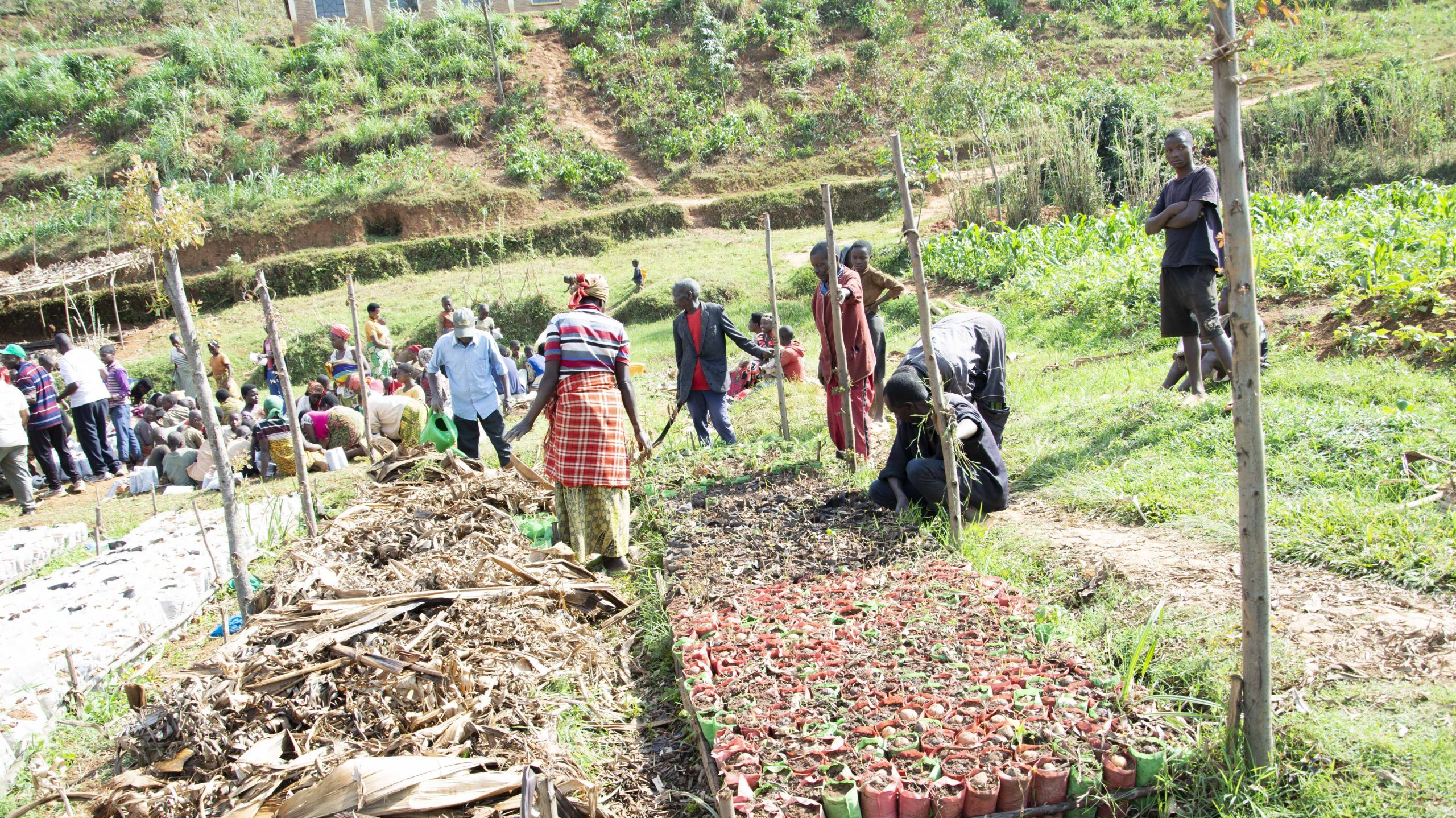
An idea that started with a few members in Latin America and the Caribbean this March grew into a global campaign in August 2026.
In March, three MCLD members across Latin America and the Caribbean came together for a regional Climate Day of Action. Their activities demonstrated the power of collective leadership and community engagement, and sparked something unexpected in our network. Simultaneously, members in West Africa organized their own climate campaigns.
Members across the wider MCLD network heard about these activities and began asking, “how can we also be part of this?”
Using WhatsApp to mobilize organizations across our network, the ideas spread. By August, organizations and individuals from 20 countries were sharing ideas for their day of action: planting trees, cleaning neighborhoods, street plays, learning sessions, performances, trainings.
Organizations around the world planned activities that responded to climate change in ways that made the most sense for their communities.
As Luis Fernando Sanchez Rubio of FUPAC in Colombia explained:
“We believe it’s vital that raising awareness of these initiatives inspires more people to take action—whether big or small—to slow or mitigate climate change and protect the ecosystems in each region.”
Every community, every neighborhood can make a difference when it identifies what matters to them and finds a way to take action. The day was a showing of what collective action means to MCLD.
Climate Action Starts Where We Live
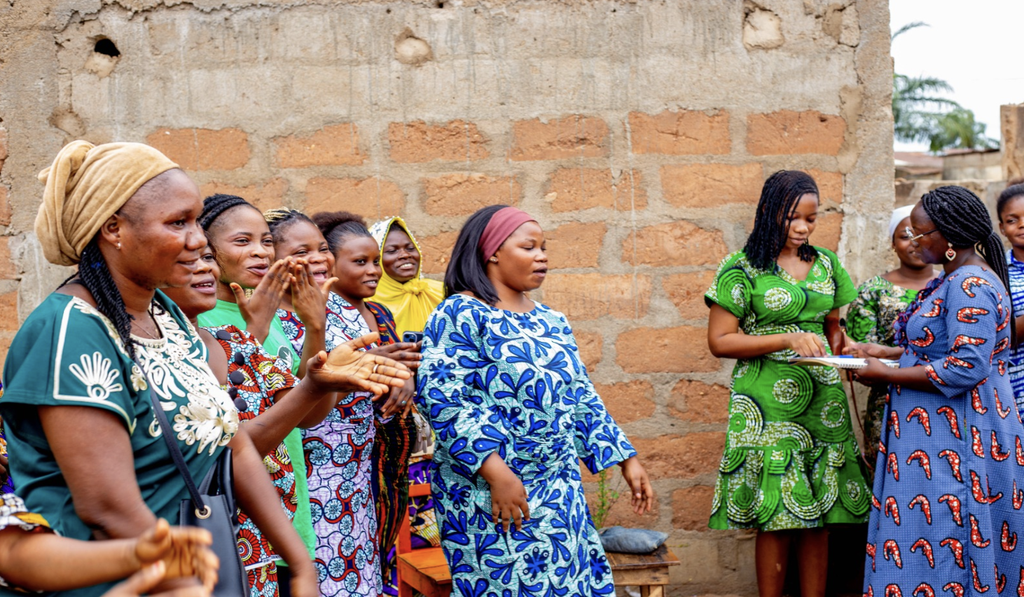
On August 29, without any external funding, organizations found ways to engage with their communities, ranging from tree plantings to capacity-strengthening trainings.
In Syria, Salam Humanitarian Foundation (SHF) built community awareness of climate risks and the risks of Euphrates River flooding, showing that climate awareness is more effective when it is linked to local realities and practical actions.
In Uganda, Lubaga Social Justice Center and Fellowship for Community Enlightenment worked with community members and children to clean their community and put up signs to raise awareness of climate justice and environmental protection.
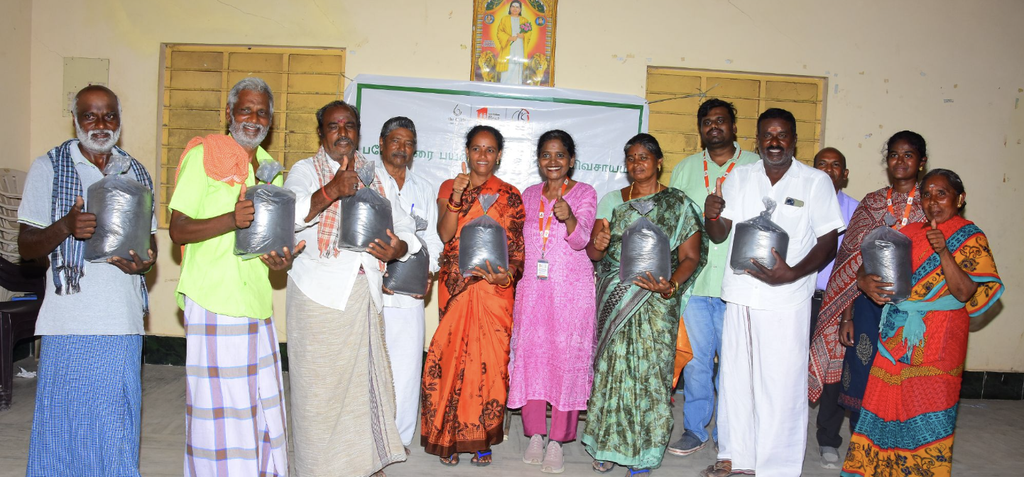
One of Sanitation First India’s four activities included 34 women farmers participating in a session on how heat stress and climate vulnerability can affect menstrual health, along with practical adaptation measures to support their well-being during the agricultural season.
In Rwanda, Green Development Organization (GDO) named their initiative “From Waste to Resilience,” conducting trainings on waste management, working with the community to start mechanisms for waste collection and recycling, and designing community-led monitoring, evaluation, and learning systems.
Rwanda Justice and Development took another approach, working with communities to identify gaps in current environmental policies and proposing new frameworks to address emerging challenges.
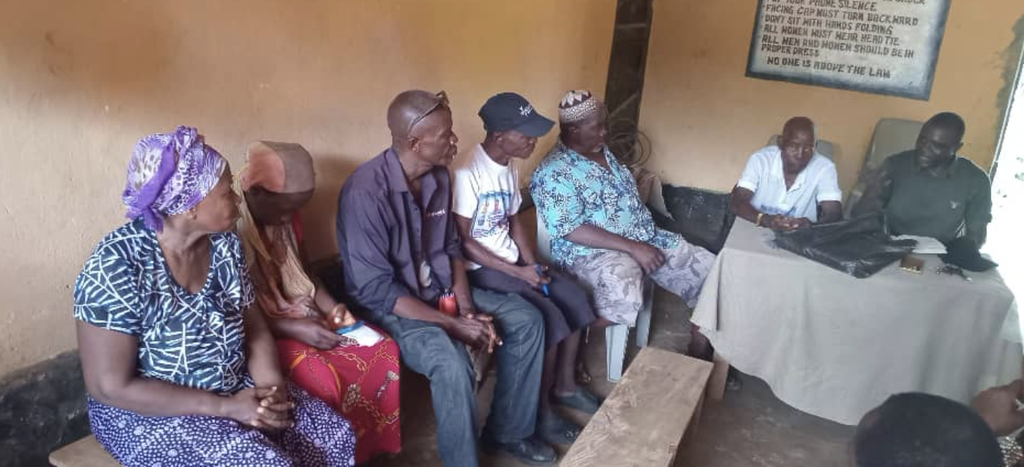
CAN-SL in Sierra Leone also organized a meeting at the office of the community chief in Mayekine, Calaba town, Freetown.

Art as Climate Action
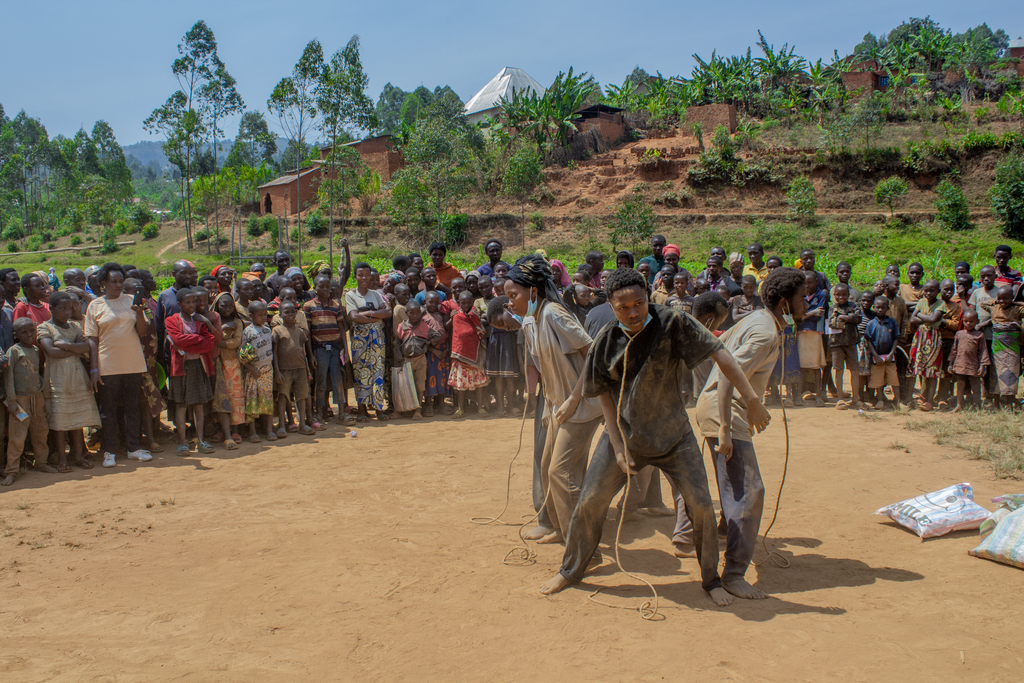
Members showed that taking action against climate change does not have to happen in conference rooms, workshops, or in forests. They connected climate action to communities through art and poetry.
The Initiative for the Promotion of Art and Culture Group in Burundi performed slam poetry about climate change to make the community more aware of the consequences of climate change and the importance of collective action.
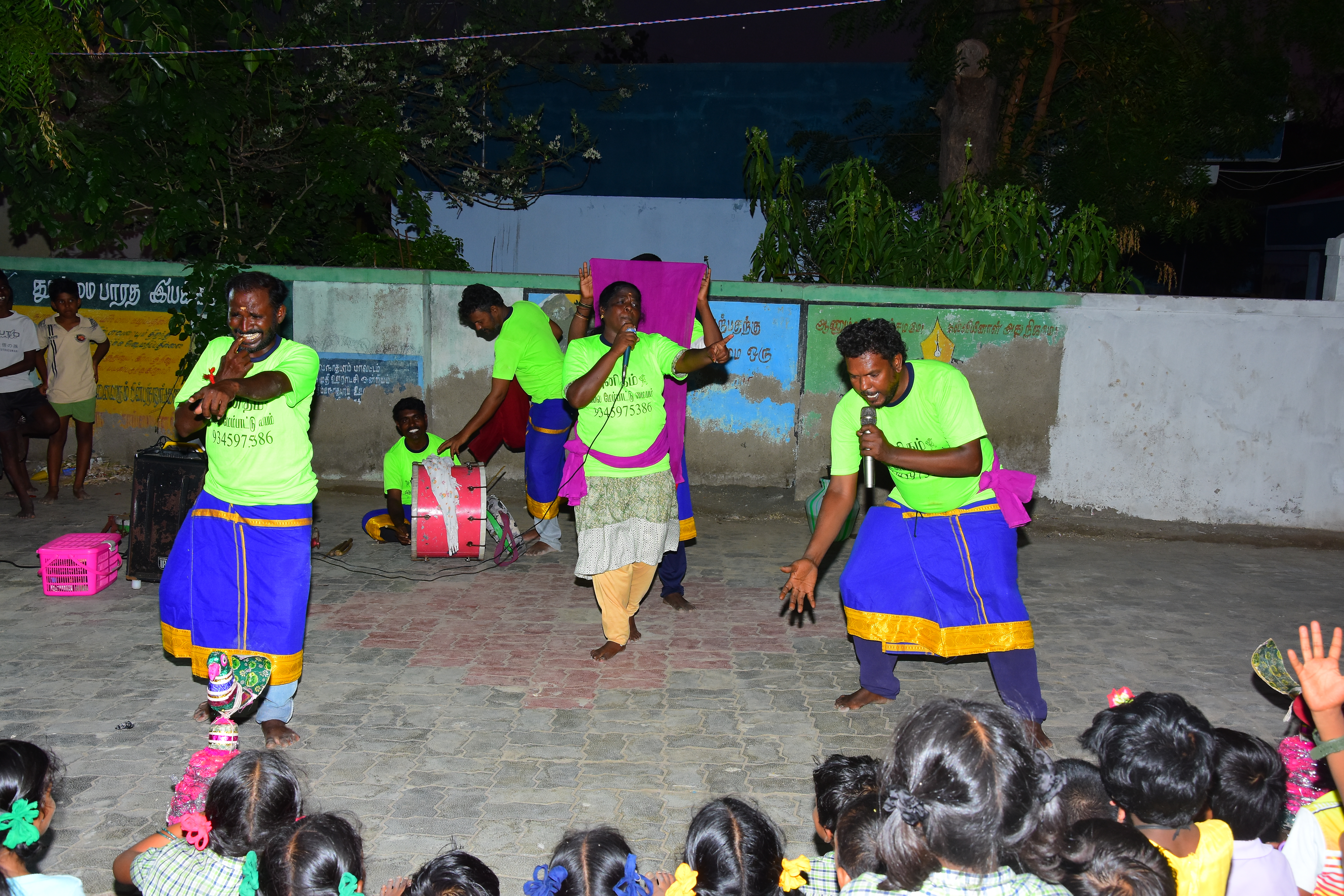
Sanitation First India also engaged more than 200 participants in a street play accompanied by Local folk music (Parai) about water conservation, rainwater harvesting, waste circularity, and individual responsibility for climate action.
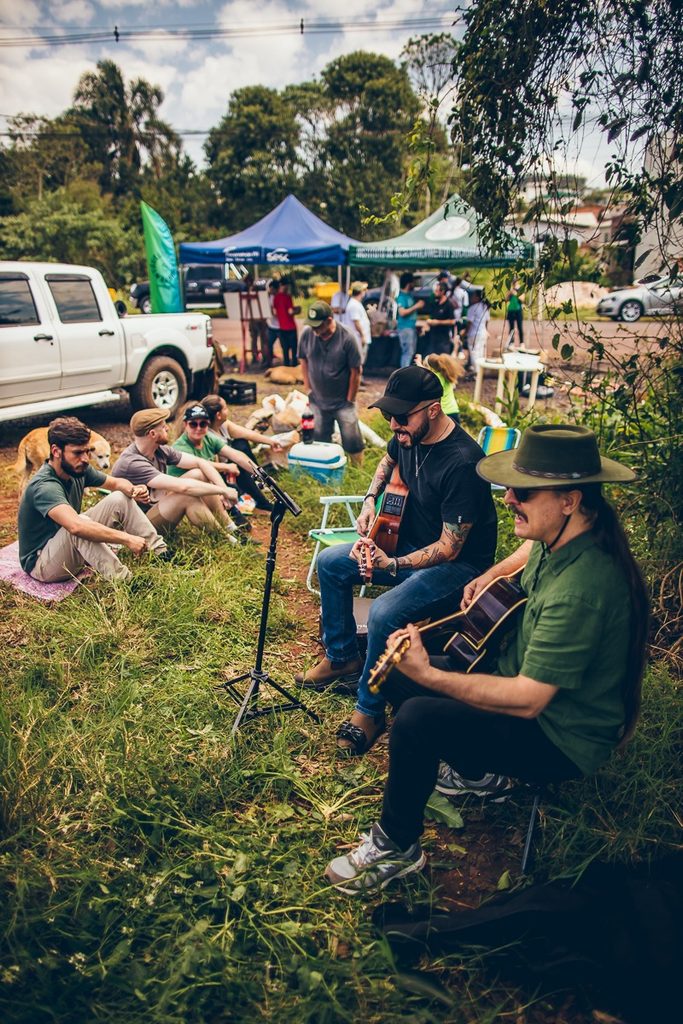
And in Brazil, the day of action was a celebration of community, art, music, and local culture itself:
El Día de Acción fue también un espacio de convivencia, cultura y fortalecimiento comunitario. Además de las actividades ambientales, realizamos un desayuno y una merienda colectiva, la pintura participativa de un mural y presentaciones de músicos locales. La experiencia mostró que unir educación, arte, música y participación social hace que la sensibilización ambiental sea más cercana, significativa y duradera.
– Mara Bossi, Brazil
These organizations prioritized bringing visibility to climate change. Art and culture can start conversations that communities haven’t had the opportunity to have before, and that new awareness can become future action.
MCLD’s Collective Power
The lesson we aim to emphasize is that every neighborhood can make a difference.
“MCLD’s approach has given us great power because people now listen to us. Every country, every community has their own issues, but our intention is the same, so when we join our efforts, people listen to us.”
– Ramon Noguchi, Brazil
When communities in Syria, Nepal, Uganda, Burundi, India, Benin, Malawi, Rwanda, Kenya, Sierra Leone, Togo, Colombia, Brazil, Eswatini, Pakistan, and many other countries act at the same time, their small, local actions are part of a global movement. Their collective action brings change.
Coming Together to Celebrate Our Impact
In a celebratory call on September 2, we heard highlights from 12 countries that participated in the day of action. Their different stories carried the same message: we can make a difference right where we are.
For Teddy Herve Nkurunziza, MCLD’s National Coordinator in Benin, the day was a reminder of giving young people the space to be heard:
“I still haven’t found the words to express my gratitude. But on Tuesday, the group of young people who created the art will have the opportunity to express themselves, and I can already tell you that it was simply fantastic.”
Their actions show the impact that one day of community action can have when multiplied around the world and highlight the creativity, impact, and possibility of what a global network like MCLD can offer.
What’s next for MCLD?
As we look to the third iteration of this campaign, Ramon Noguchi, one of the MCLD members in Latin America and the Caribbean who mobilized the first Climate Action Day, encouraged members to think bigger, mobilize farther, and bring others with them.
Join members from 12 countries who have already signed up for the third Local Climate Action Day, “On The Road To COP31,” on November 7. Share your interest through the English, French, Spanish, or Portuguese registration form.
Featured Photo: CLD Burundi: planting avocado nurseries